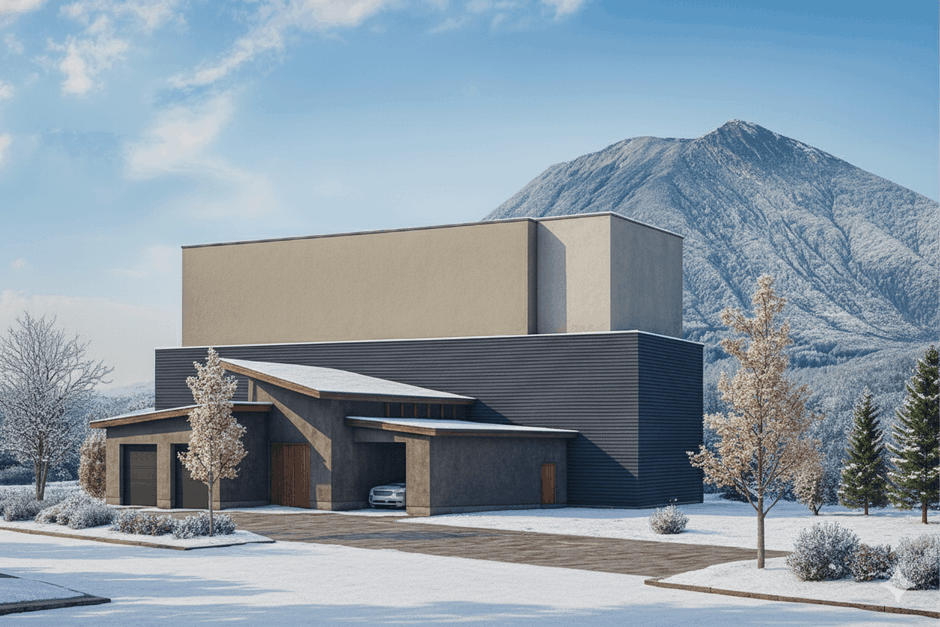
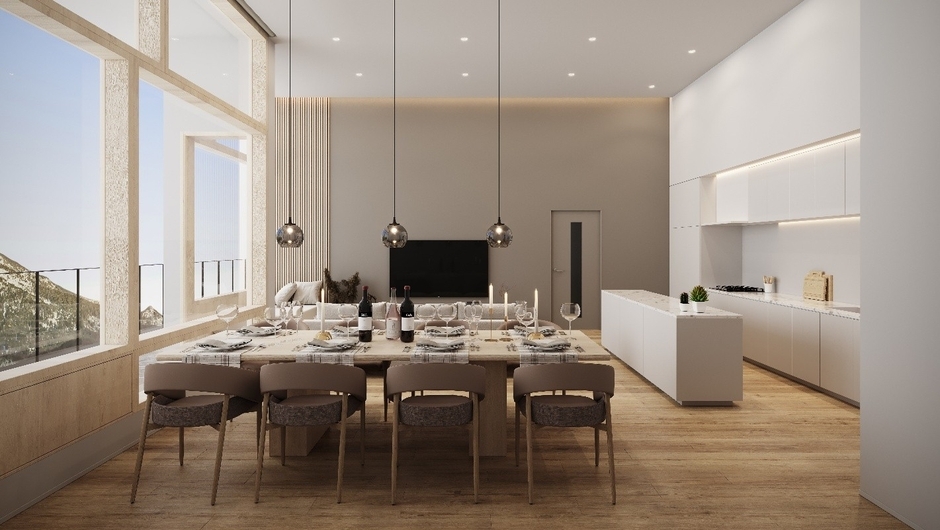
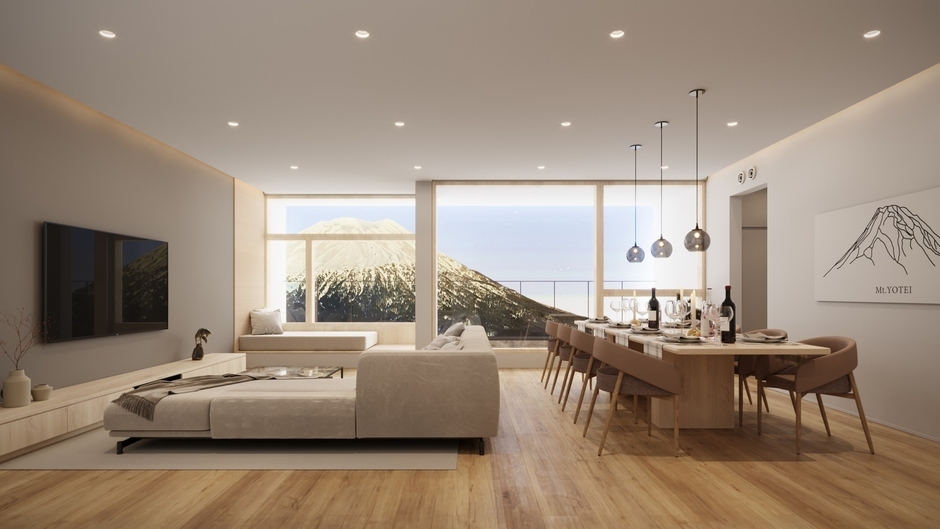
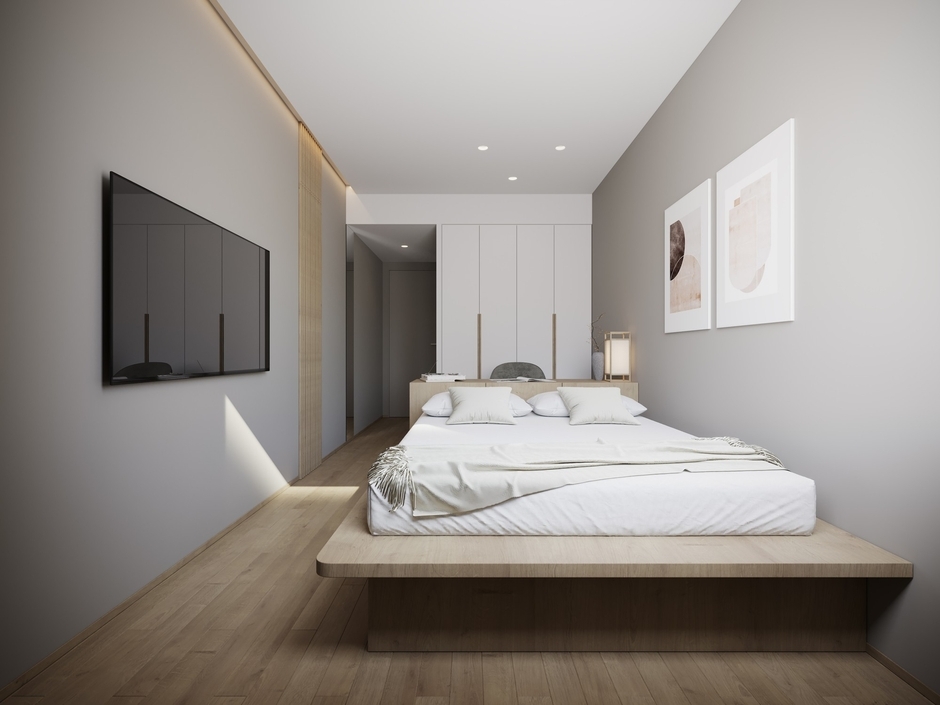
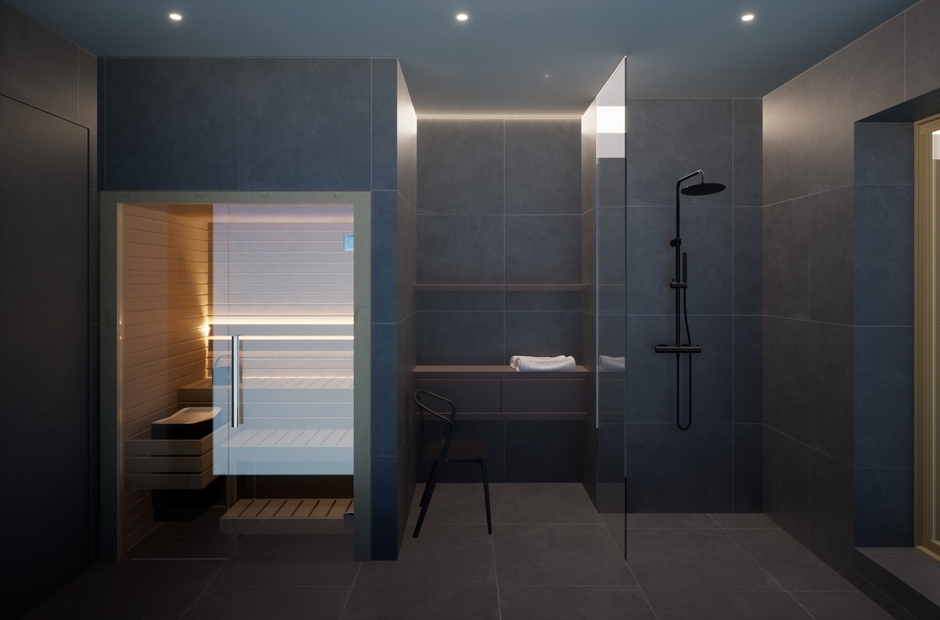
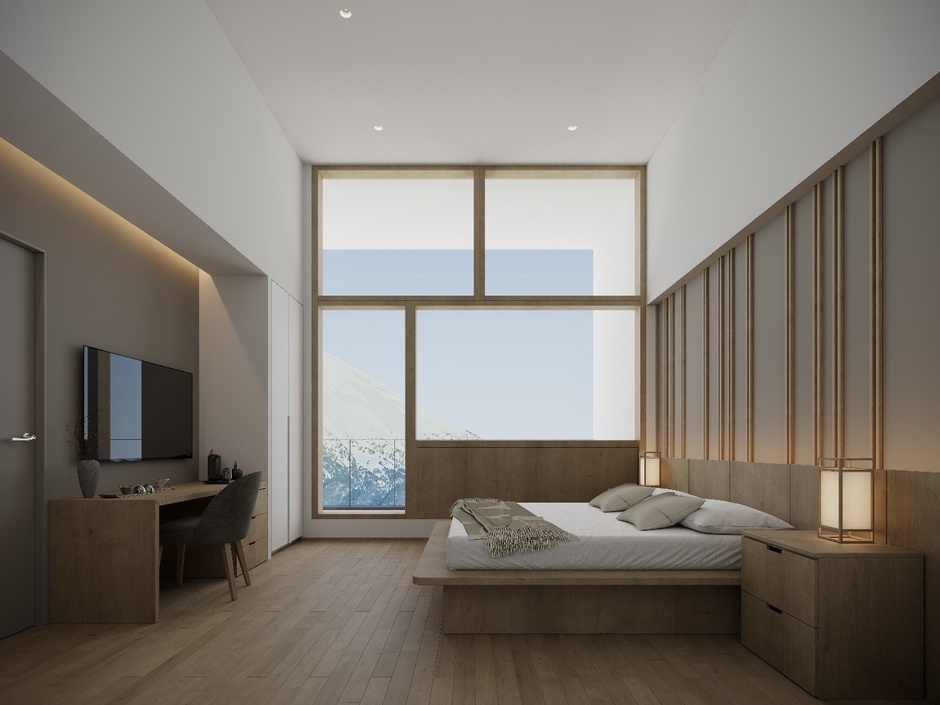
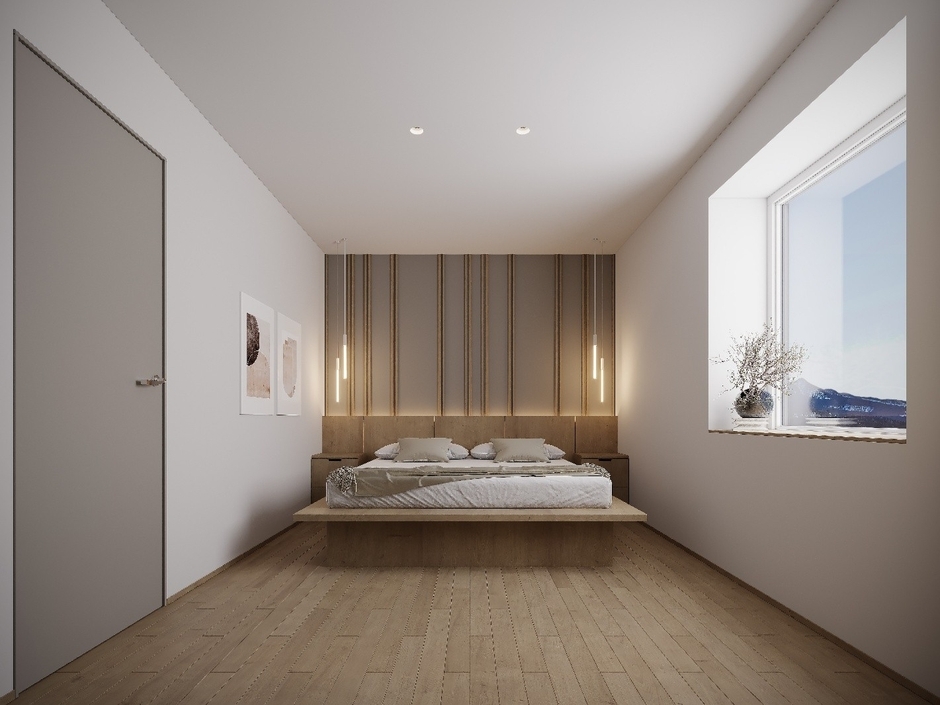
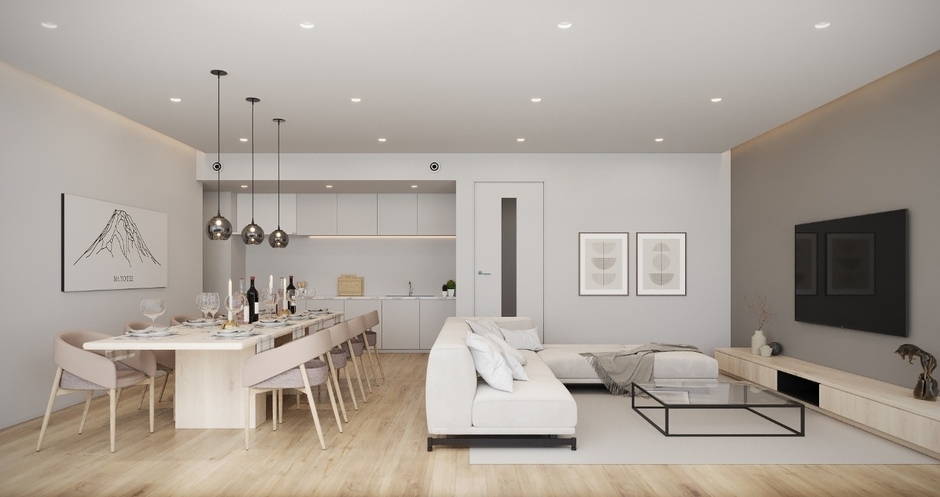
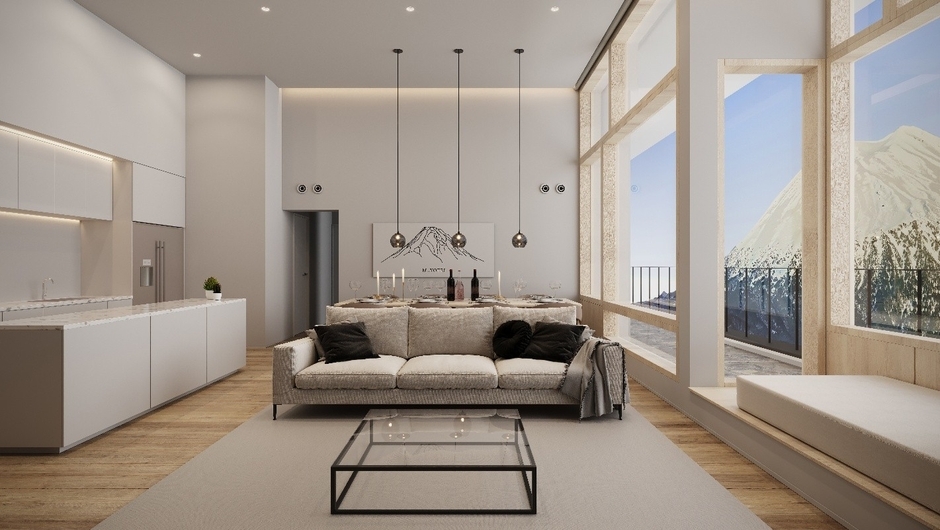
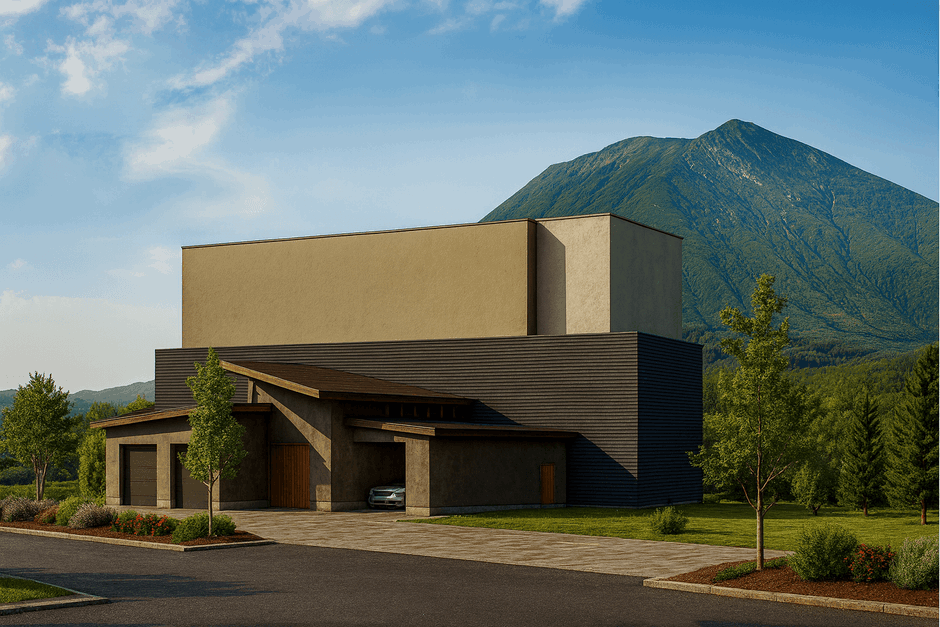
A new shared-ownership private residence has opened for membership applications in Niseko Town’s Niseko Mirai district.
The project, named loowell Gaku, is being developed by Wellnest R&D, with facility operations handled by Niseko Machi Co., the company responsible for the development and management of the wider Niseko Mirai neighbourhood.
According to the announcement, the project is designed to address three common challenges facing holiday home ownership in Niseko: high purchase prices, winter energy costs, and the burden of property management.
Rather than selling whole units, loowell Gaku uses a shared-ownership model designed for buyers who want regular access to a high-quality Niseko residence without the full cost and management burden of sole ownership. The project offers only 74 ownership interests for sale, giving owners the right to enjoy the property under a structured usage system.
The residence also places emphasis on sustainability, with its energy supply provided through renewable energy and a zero-carbon approach, aligning with the growing demand for more environmentally conscious resort living in Niseko.
The residence will be built as a high-performance wooden structure, using Wellnest Home’s high-insulation and high-airtightness construction methods. The company says the building is designed to maintain comfortable indoor temperatures during Niseko’s cold winters while reducing energy use.
The project will include three accommodation types: a 248.68 sqm penthouse, 195.75 sqm suite units, and 108.01 sqm standard units. Completion is scheduled for November 2027, with use expected to begin in December 2027.

Niseko Mirai is positioned as a sustainable community district within Niseko Town, which has been selected as an SDGs Future City. The loowell project is being framed not as an investment-style accommodation product, but as a membership-based private residence intended to sit within the wider neighbourhood community.
The announcement reflects a broader trend in Niseko: as full holiday-home ownership becomes increasingly expensive, developers are exploring alternative ownership and usage models that offer access to the area while reducing the cost and management burden for owners.